
Types of psoriasis
Psoriasis can occur in a number of clinical patterns. These are:
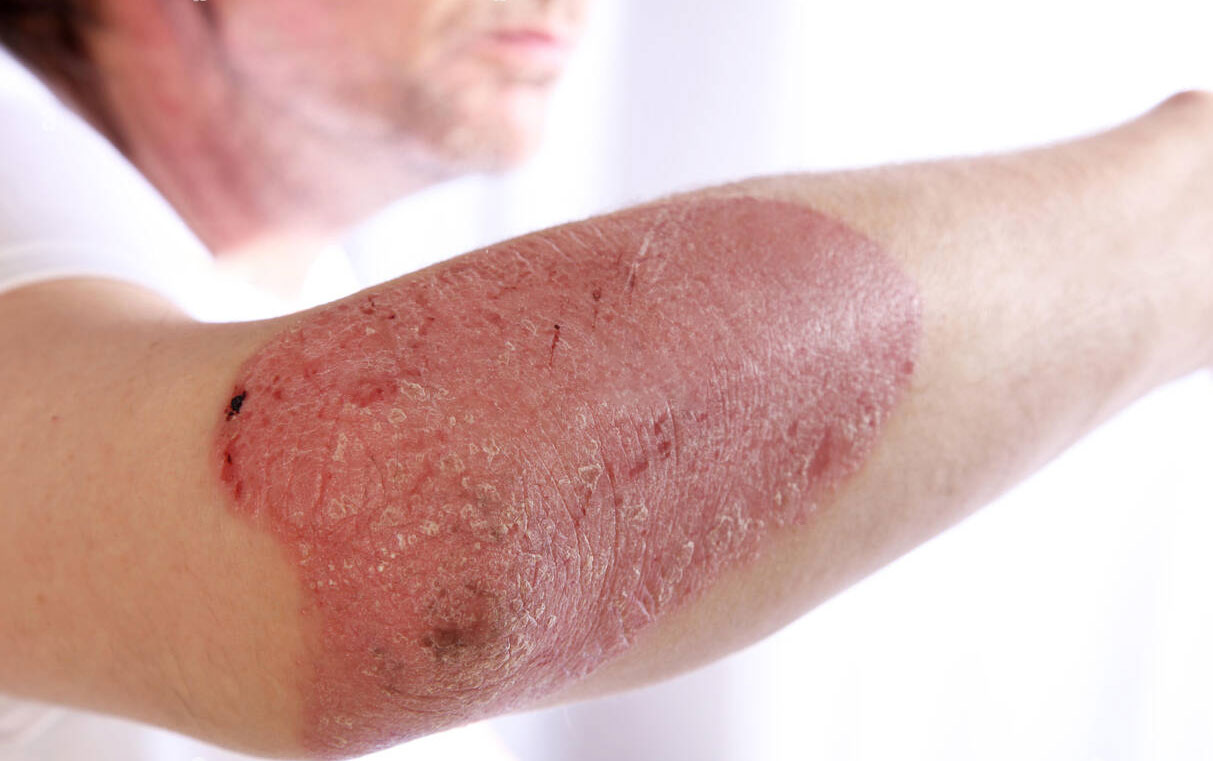
Chronic plaque
The most common type, chronic plaque usually appears on the knees, elbow and scalp. Symptoms include red or pink inflamed patches of skin with white scaling
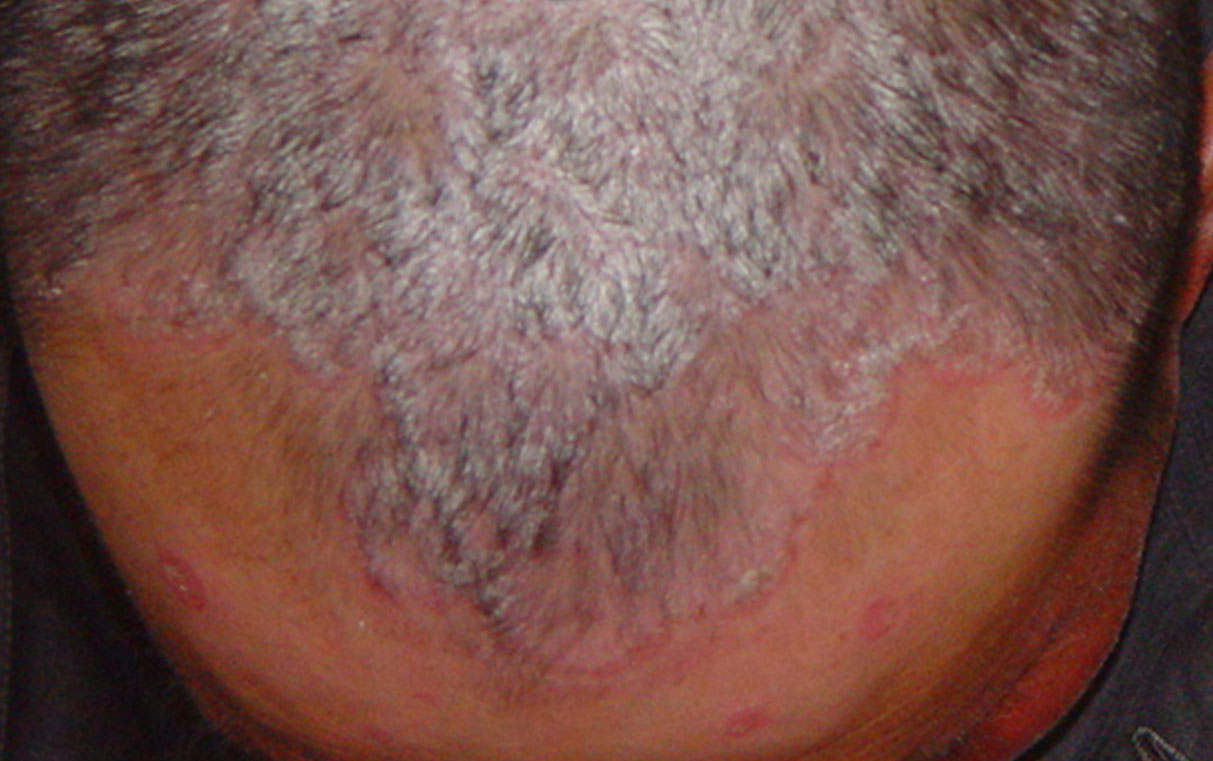
Sebopsoriasis
This is similar to scalp psoriasis but can occur on the armpits, chest, face or groin.
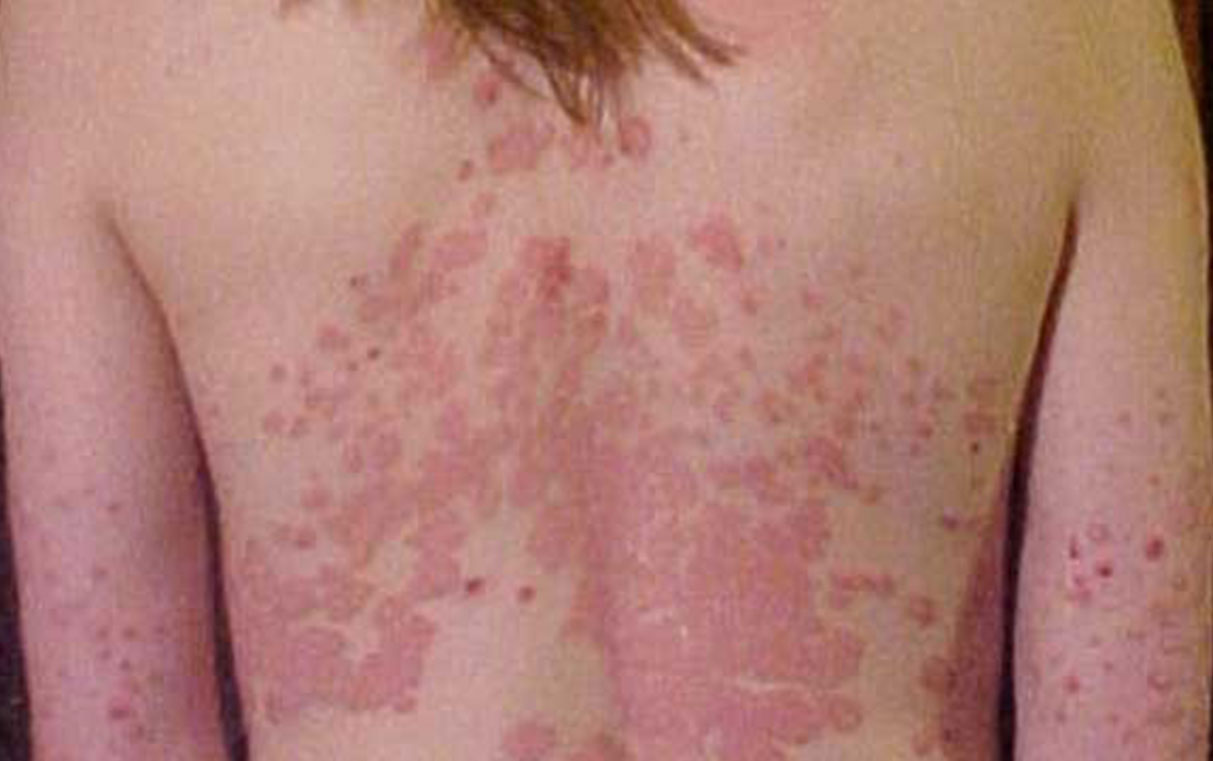
Erythrodermic
This extensive form of psoriasis can cover more than 90% of the skin.
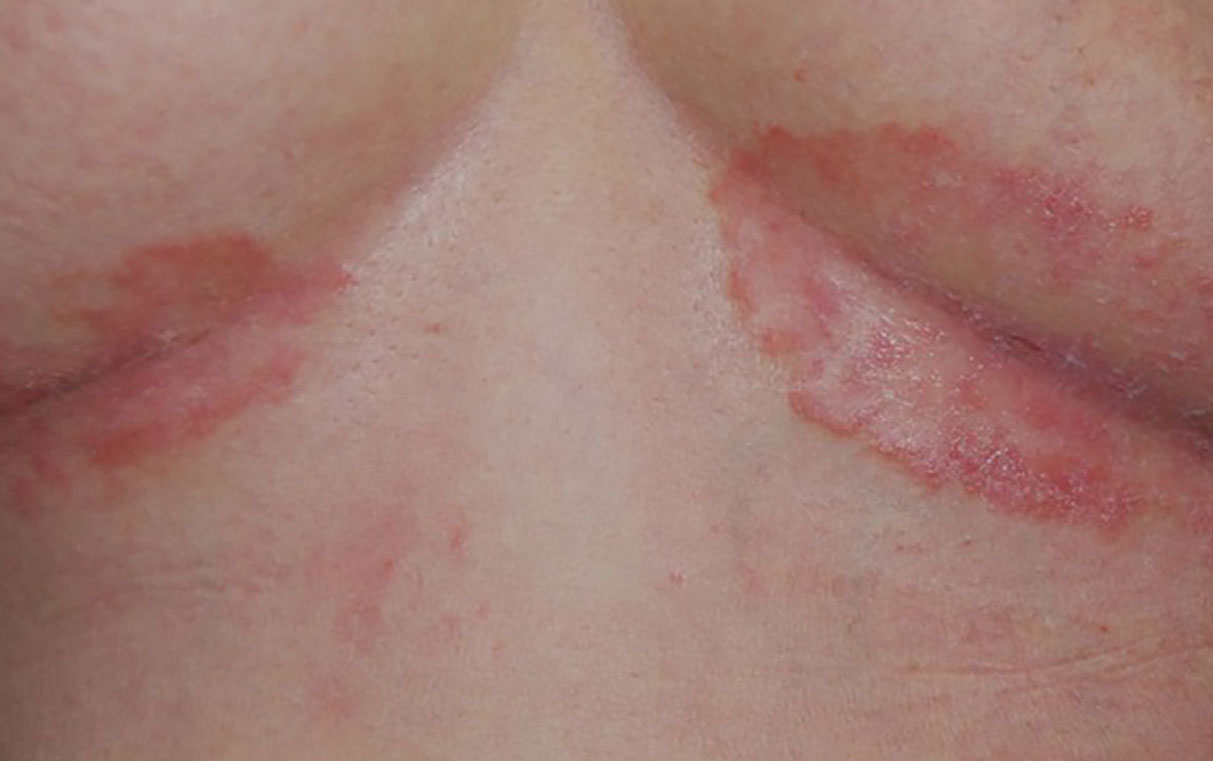
Flexural
Flexural psoriasis causes red, raw areas of skin in the armpits, groin or under the breasts.
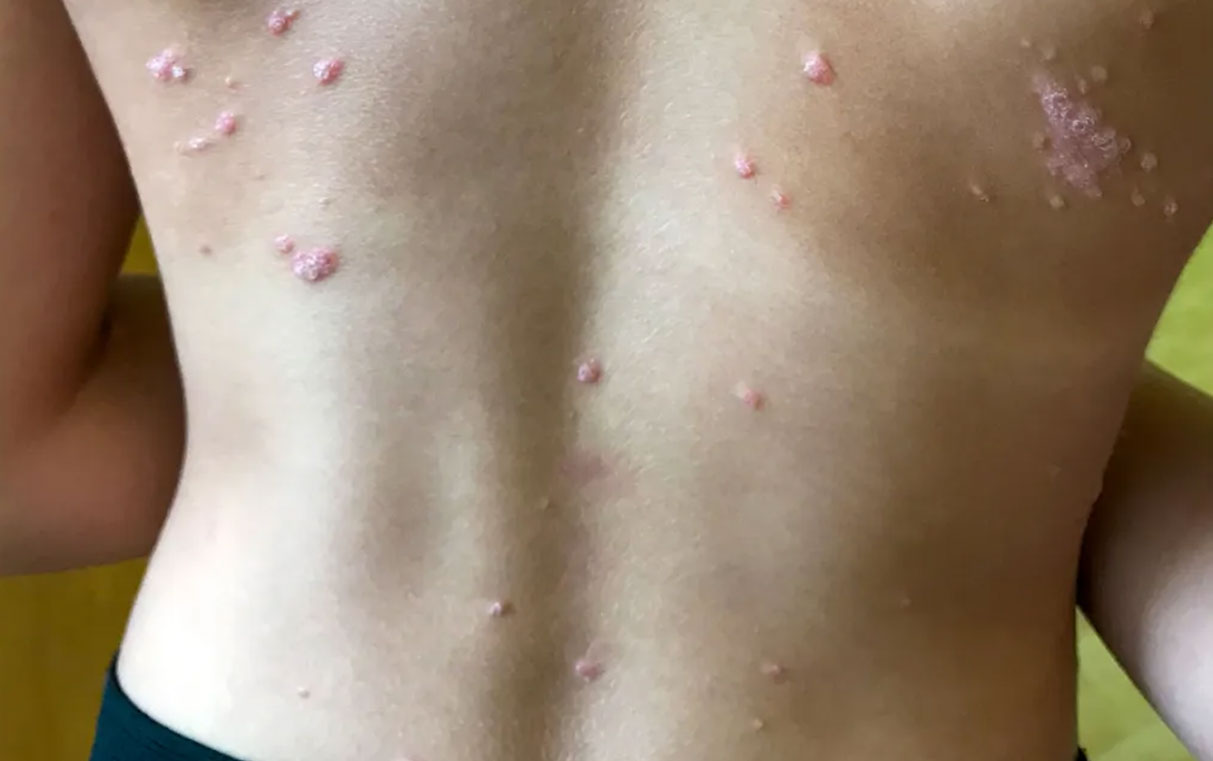
Guttate
This type of psoriasis causes multiple small spots of psoriasis that erupt on the torso after an illness or sore throat.
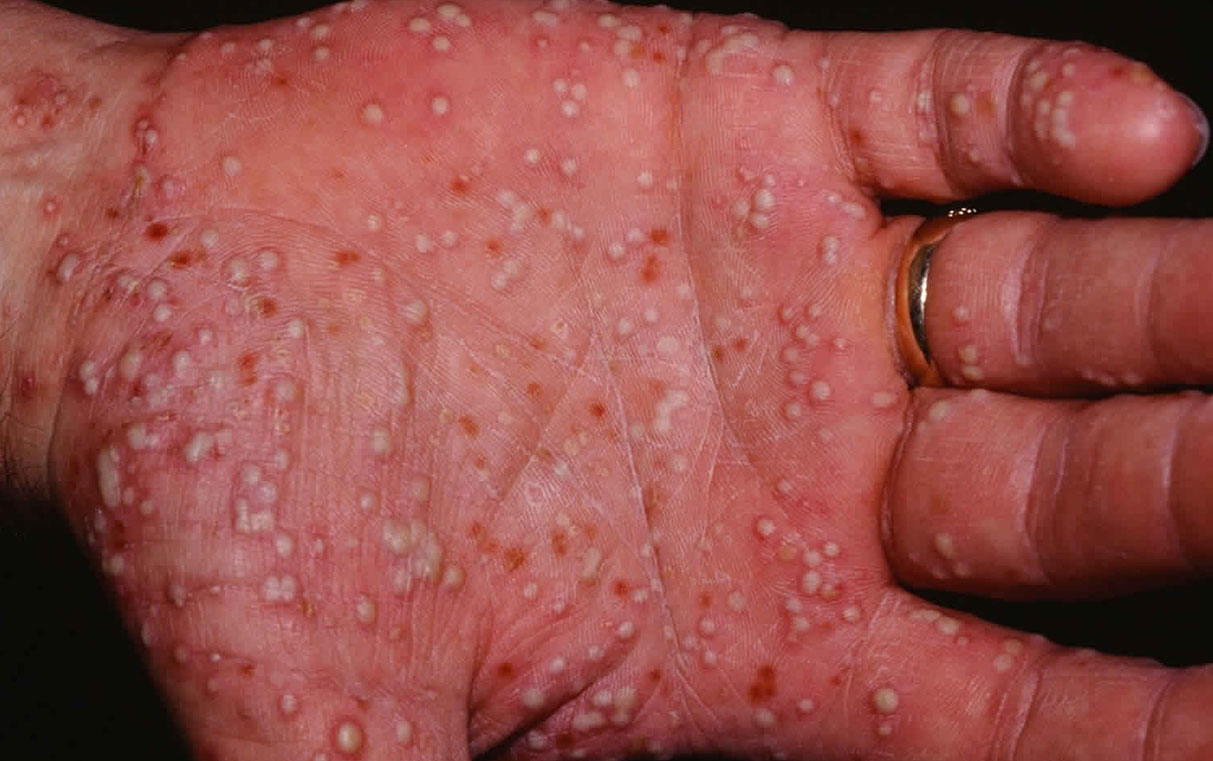
Palmoplantar pustular
With this type of psoriasis, inflamed spots filled with pus appear on the soles and palms.
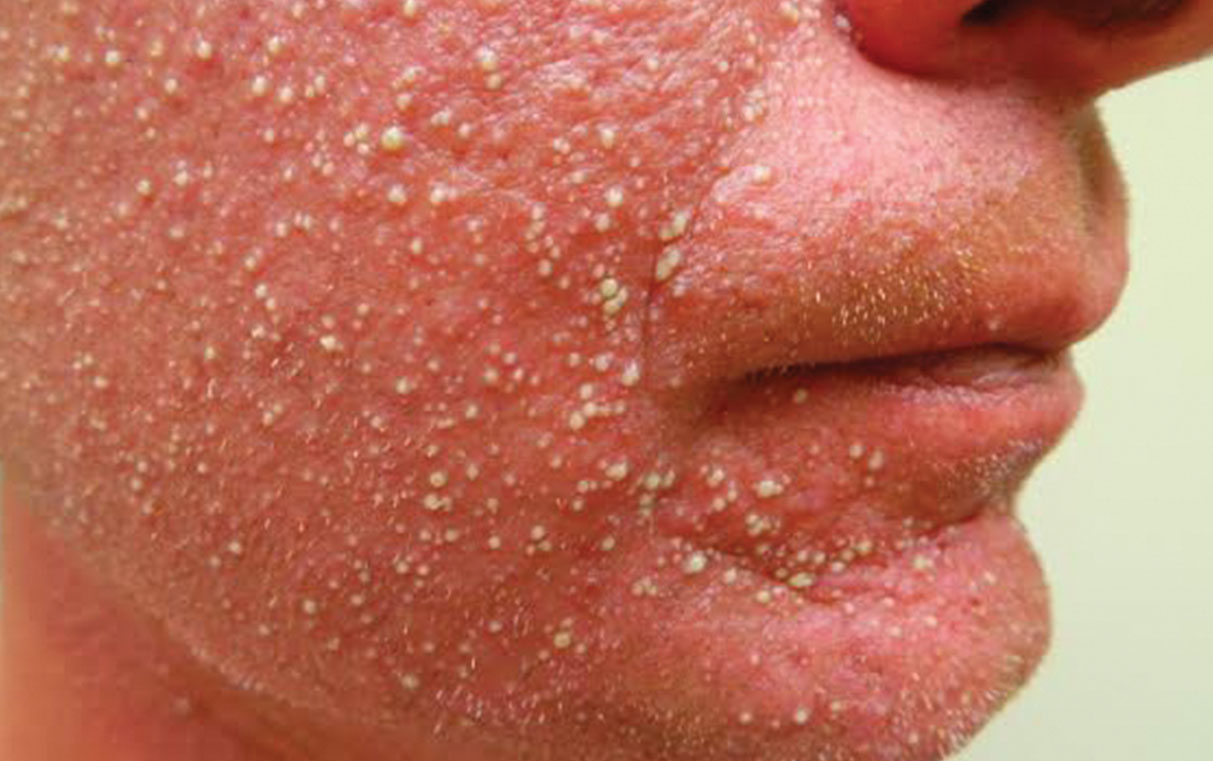
Pustular
This is the most severe form of psoriasis and causes red, tender skin lesions with pus-filled pots.